

News
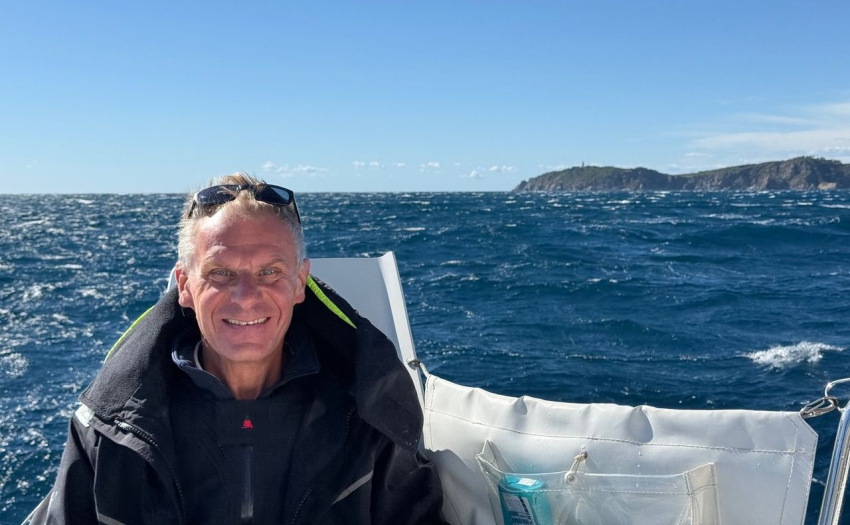
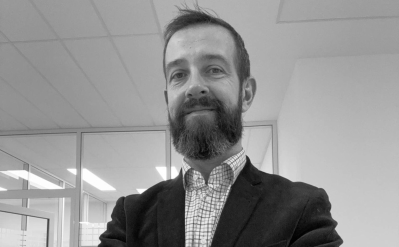
Antoine Maton (SKEMA 1993): reinventing his professional life at 55
After a 25-year career in auditing, talent management, direct approach and recruitment in Northern France, in 2024 Antoine decided to make a drastic change: leaving the world of human resources to devote himself entirely to his passion for sailing. He took over VIP Marine and set sail for the Var coast to start a new professional life. Dare to make a living from your passion: the new maxim for our times.
Going from HR to sailing is a bit surprising! But in the end, is it really that different?
At first glance, selling yachts and providing Boat Captain services is a far cry from the 25 years I've spent managing recruitment or carrying out audits. It's all new and exciting in my day-to-day life, but on closer inspection, you see a lot of parallels.
-
The business relationship: understanding people's needs, proposing advice and solutions, having a sense of service, gaining trust, closing a sale and so on all has exactly the same dynamic as in a recruitment consultancy firm.
-
The people we cater for may be decision-makers, executives or entrepreneurs, but many share similar interests, and some are already keen sailors. Adopting a simple, natural, sincere approach with them works just as well as before. I've never found it necessary to play a role.
-
The network: what's so amazing is that I'm finding contacts from my years as a recruitment contractor, and even from my days as an auditor at EY. Passion and human relationships transcend professions and time.
-
Running a business: I had already created Shamrock RH, which I managed for over 10 years. I pulled out my old lists and methods, keeping what was relevant and adding missing aspects like the long-term vision, marketing strategy, positioning, communication, business plan, the annual budget, and the daily "rituals" to stay efficient and aligned.
Was this change of direction a choice or something that came to you after all these years?
As part of the recruitment assignments I carried out for my clients, I often asked applicants "What would you like to be doing in the next ten years? Then I asked myself the same question. And that's when something really clicked. Some people told me they didn't really have any plans for the last decade of their career, that they were just going to "chug along until retirement".
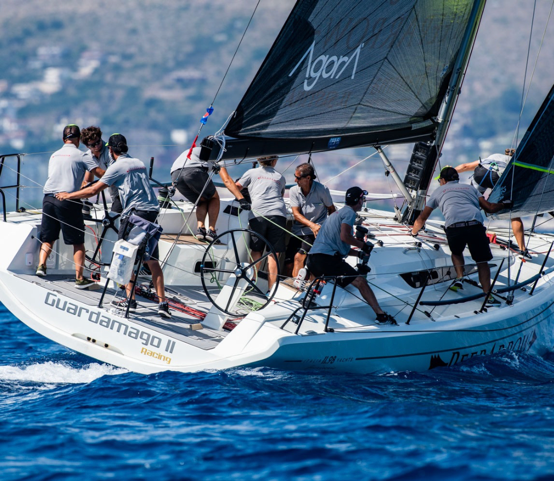
This gap between what I felt and what people of my generation seemed to aspire to made me wonder. I told myself it was time. I'd already considered this shift at several points in my career, but reason always won over passion. This time, it's a truly considered and calculated choice: you don't just strike out blindly at 55! At the same time, it was a natural choice, because sailing has always been central to my life. When I was eight, I hid under the bedclothes to follow the arrival of the Route du Rhum on the radio. My parents took me and my brothers and sisters on sea trips when I could barely walk: the English Channel, the North Sea, the Atlantic and the Mediterranean. And since then, I've never stopped sailing, even taking to the open sea and crossing the Atlantic. As you get older, it's easier to get back to what you really are.
What adverse winds did you face when you decided to make the change?
The main obstacle is your own restrictive beliefs. Am I capable? Do I have a big enough network? Aren't I too old? Working on myself, surrounding myself with positive people and sharing my doubts with those close to me has helped a lot.
Another challenge: the difference in lifestyle between North and South. We had to organise our family and professional lives, while preserving what we had built.
What are the three key lessons learned from your training at SKEMA that help you most in this new professional challenge ?
At SKEMA, we were taught to find solutions, negotiate and convince. But also not to be fixated on theory: you have to be able to transform concepts into concrete actions, and move from ideas to practice. I also learned the importance of organisation and prioritising. Breaking down an objective into small tasks, seeing how to move forward even if it's not perfect. I call it "the efficient imperfect" and, believe me, it often works better than you think.
Looking back, would you have liked to have started again sooner? If you'd taken the plunge back in the 1990s, what would have been different? And what does this reveal about our evolving relationship with work and our passions?
In the 1990s, the question of entering the boating industry didn't really arise. I'd just started out with EY in Lille, and this opportunity naturally won the day. What I'd perhaps have liked to have started earlier was entrepreneurship. I set up my first company when I was 40, after 15 years with EY and Michael Page. Before that, it wasn't yet the right time for me; I wasn't mature, whereas others achieve this much earlier in their careers. But today, I can see how it's possible to combine passion and work at any age.